Back
Case Study
Design Asset Management
One Bank, One Identity — a single source of truth for 3,000+ design assets for U.S.Bank
Overview
3,000+ brand assets scattered across SharePoint folders and static PDFs, with no metadata, no search, and no way to tell which was current. Refreshed the internal platform products portal, improving discoverability of products, improving engagement (22% increase in MAU), streamlining onboarding (~30% reduction in onboarding time) ultimately driving adoption (measured by reuse ratio of platform products)
Role
Product Designer
Client
U.S. Bank - Brand Team (Jackfruit)
Industry
Banking & Finance
Timeline
2022 · 2024

22%
Increase in monthly active users
~30%
Faster onboarding
00
Research & process
We started with a full audit of every digital asset already in circulation — icons, logos, illustrations, photography, and PPT templates — all living in a single shared SharePoint folder used by internal designers and marketing teams across every product line.
Before committing to a custom build, we explored migrating the entire library into Zeroheight, a third-party design system platform. Testing it against our real content and workflows surfaced real limitations for the scale and governance we needed, so we changed direction.
We built the DAMS portal natively in React instead, along with reusable templates for every other digital-asset channel it needed to support.
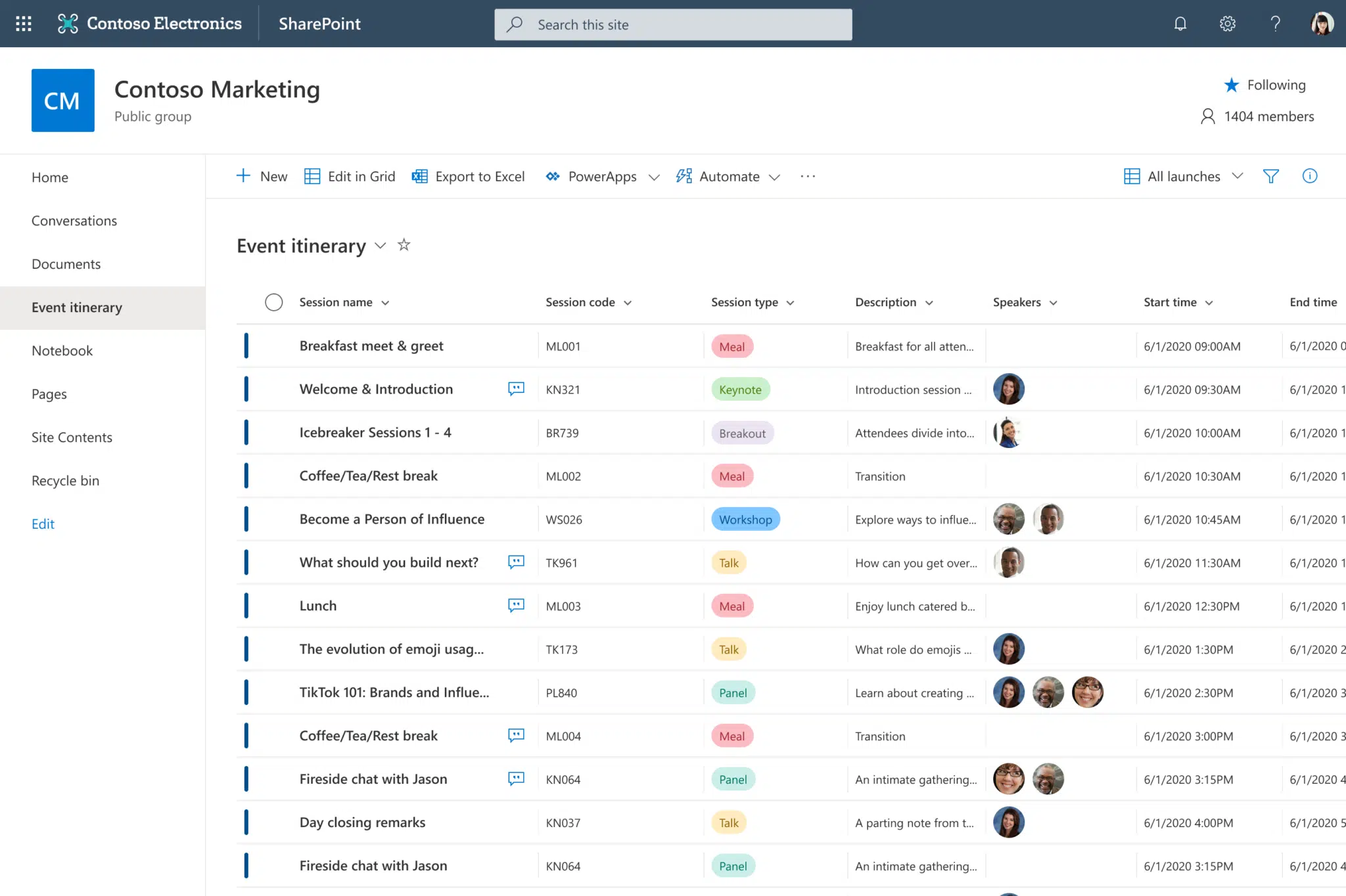
Before — SharePoint (mockup)
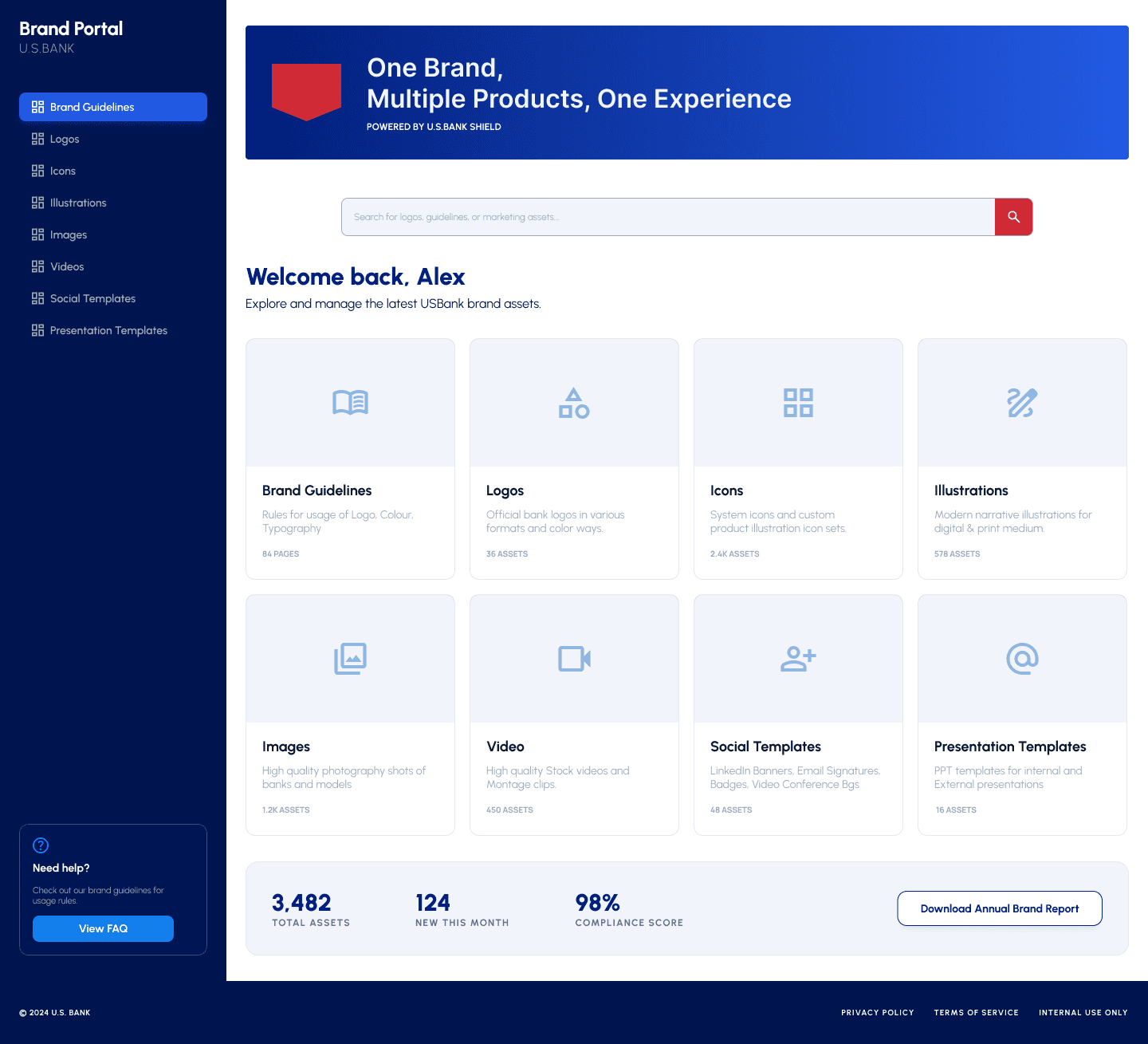
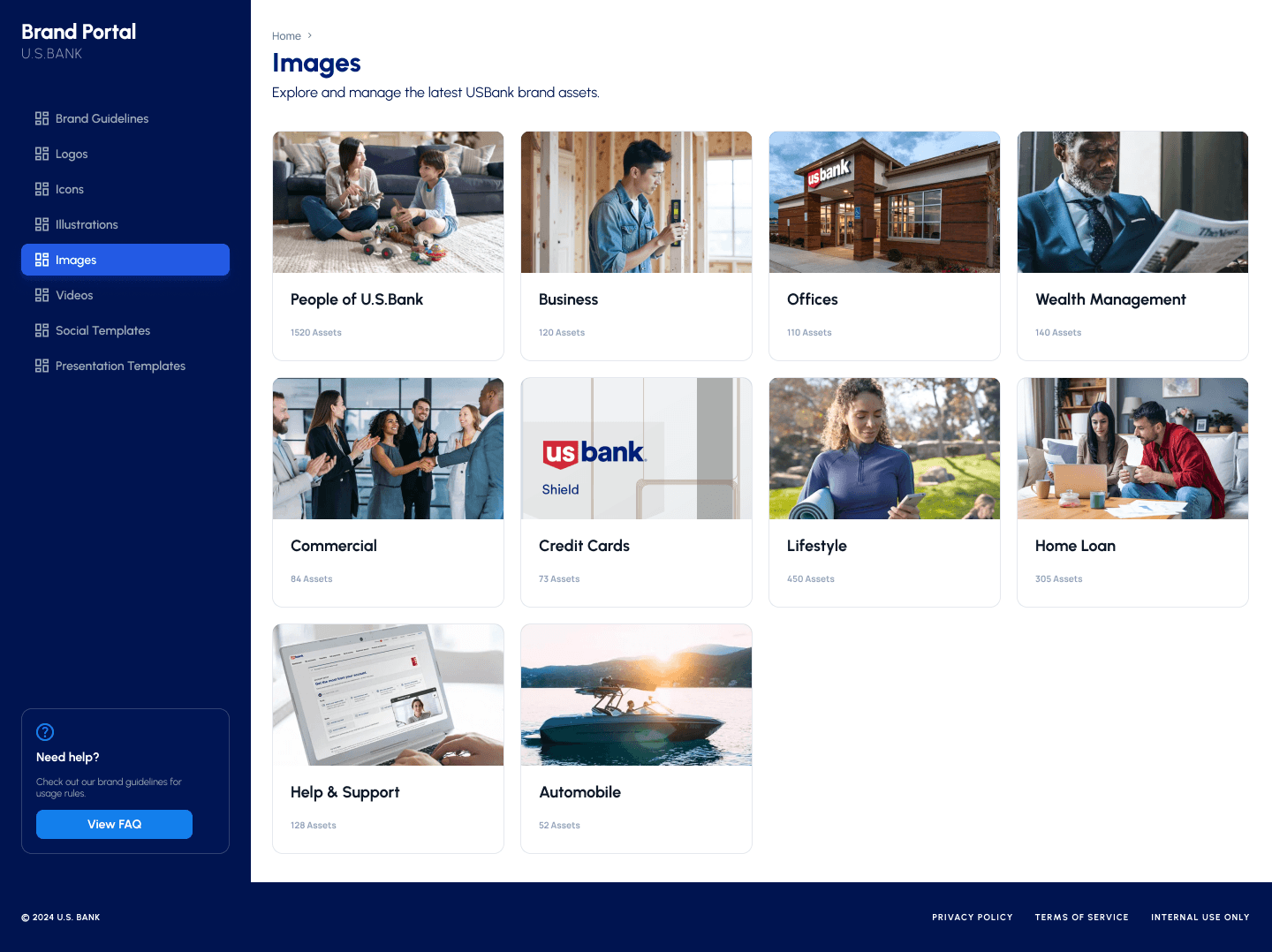
After — DAMS portal
01
The problem
U.S. Bank’s product lines each ran their own design team, and each team kept its own local copies of shared assets. Icons, logos, illustrations, and photography lived in static PDFs and unstructured SharePoint folders — no metadata, no search, no way to tell which copy was current. Designers couldn’t reliably find, verify, or reuse assets, and every product flow built by a separate team left the experience visibly inconsistent for customers moving between them.
02
The solution
We built a centralized asset management platform where every team — design, product, marketing, content, and external vendors — could find, browse, and use the right asset with confidence. Global and local search surfaced the right file from large libraries, category cards organized assets by team, and an activity feed kept recent additions visible instead of losing them the moment they landed.
Before the portal could scale, the brand needed a real foundation. I documented a full token system and component library to WCAG 2.2 AA: a semantic color palette, type scale, spacing and radius tokens, and every interactive component designed across its default, hover, focus, and disabled states.

03
Impact & learnings
Once Brand portal was live, teams started adapting and stopped duplicating work they couldn’t see existed. Search replaced digging through folders, and updating a parent asset propagated the change everywhere it was used across. Assets reuse grew across teams as the portal became the default place to look first, and designers redirected time once spent hunting for files toward building features.
The core discipline was to make all banks digital product to work consistently across all platforms with same experience. To earn users trust and feel the products are designed alongside, and not bolted on later.